
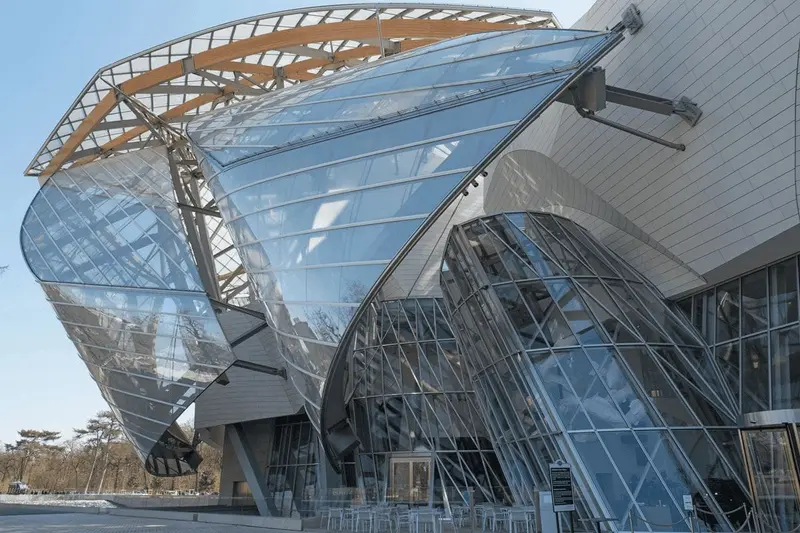
When it comes to selecting the right type of glass for construction, design, or renovation projects, knowing the differences between laminated vs. tempered glass is essential. Both types of glass have unique characteristics that make them appropriate for specific applications.
Let’s check out the properties, manufacturing processes, benefits, and drawbacks of each type. It will help you make the best decision possible, based on your needs.
The Basics of Laminated Glass
Laminated glass consists of glass in two or more layers. Using a layer of PVB (polyvinyl butyral) or another type of interlayer, they are bonded together. This process creates a sandwich-like structure, boosting the glass’s overall strength and safety.
When broken, the glass tends to crack but remains adhered to the interlayer, minimizing the risk of shattering and making sure that the shards do not scatter.
The manufacturing process of laminated glass involves applying heat and pressure to bond the layers together, for a strong and durable product.
This type of glass is frequently used in applications where safety is important (think skyscrapers, cars, and skylights). It is also popular in soundproofing applications as the interlayer helps to dampen sound transmission.
Looking at Tempered Glass
On the other hand, tempered glass is produced through a heating and cooling process that increases its strength compared to regular glass. The glass is heated to over 1,000 degrees Fahrenheit and then rapidly cooled. This process (known as tempering) generates compressive stress on the surface of the glass, making it stronger and more resistant to impact than standard glass.
When tempered glass breaks, rather than sharp shards, it shatters into small, blunt pieces. This lessens the chances of injury. This makes it perfect for specific applications, including shower doors, glass doors, and tabletops.
What’s more, tempered glass is also used in building facades and storefronts because of its durability and ability to withstand extreme weather conditions.
The Biggest Differences in Manufacturing
The manufacturing processes for laminated vs. tempered glass are one of the biggest distinctions between these two types of glass. As said, laminated glass is made by bonding multiple layers together using an interlayer, while tempered glass undergoes a thermal treatment process that increases its strength.
Laminated glass is often manufactured in a factory setting, where the glass sheets and interlayers are carefully arranged before being subjected to heat and pressure in an autoclave.
But the tempering process involves heating the glass in a furnace and then rapidly cooling it in a controlled environment, which is necessary for achieving the desired strength and safety characteristics.
Safety Features
Both laminated glass and tempered glass provide advanced safety features, but they do so in different ways.
Laminated glass remains intact when broken due to the interlayer, which keeps the glass pieces from flying apart. This characteristic is especially important where safety is a concern (like schools, hospitals, and commercial buildings).
Tempered glass breaks into small, harmless pieces, which reduces the likelihood of injury. The choice between the two often depends on the specific application and the level of safety required.
For example, laminated glass can be used in areas where there is a risk of severe impact or forced entry, like storefronts or car windshields; while tempered glass can be used in spaces where aesthetics and safety are important, like shower enclosures and glass railings.
Applications and Uses
The applications for laminated glass are many and include both residential and commercial uses. Common applications include:
- Windows : Laminated glass is used in residential and commercial windows to improve security and reduce noise.
- Skylights: The durability and impact resistance of laminated glass make it a popular choice for skylights in both homes and commercial buildings.
- Automotive: Laminated glass is used in windshields to provide structural integrity and safety in the event of a collision.
- Safety Barriers: In locations like swimming pools and balconies, laminated glass serves as a safety barrier while maintaining visibility.
Tempered glass is also widely used in a number of applications:
- Shower Doors: Its resistance to thermal stress and shattering makes tempered glass great for shower enclosures.
- Glass Doors: Tempered glass is commonly used in commercial and residential doors for a sleek look and safety.
- Tabletops: The strength and safety features of tempered glass make it a popular choice for tabletops, providing an elegant and durable surface.
- Curtain Walls: In commercial buildings, tempered glass can be used in curtain walls for both aesthetic appeal and structural integrity.
Aesthetic Considerations
When weighing laminated vs. tempered glass, aesthetics can also play a major role in your decision. Laminated glass can be produced in a number of colors and with different interlayer designs, allowing for creative applications in architectural and interior design.
This versatility makes it suitable for decorative elements, such as colored glass panels or patterned glass.
On the other hand, tempered glass is known for its clarity and sleek appearance. It is preferred in modern designs where a clean, unobstructed view is imperative. But tempered glass usually comes in standard clear or tinted options, limiting some of the customization possibilities available with laminated glass.
Energy Efficiency
Energy efficiency is an important consideration in building design. Both types of glass can contribute to energy savings when combined with appropriate framing and insulating techniques. But the performance of laminated and tempered glass can differ based on their construction.
Laminated glass often provides better insulation properties than standard glass courtesy of the air pocket created by the interlayer. This characteristic can boost energy efficiency, especially in climates where heating and cooling are big concerns.
Tempered glass, although not as effective in terms of insulation as laminated glass, can still provide energy efficiency benefits when used in double or triple-glazing configurations. These setups use multiple panes of tempered glass with insulating spaces in between, improving thermal performance.
Cost Considerations
The cost of laminated vs. tempered glass can be different depending on things like thickness, size, and added features. Laminated glass tends to be more expensive than standard tempered glass due to the additional materials and manufacturing processes involved.
But the added safety and durability it provides can justify the higher price, especially for applications where security is critical.
Tempered glass is generally more cost-effective than laminated glass but may still command a premium compared to standard glass thanks to its improved strength and safety features. When choosing between the two, think about the long-term benefits and potential cost savings that come from investing in higher-quality glass.
Environmental Impact
Both types of glass can have different environmental impacts, mainly based on their production processes and lifecycle.
Laminated glass frequently requires more energy to manufacture due to the multi-layering and bonding process. But it can be designed to increase energy efficiency in buildings, reducing overall environmental impact during the use phase.
Tempered glass, although energy-intensive during production, can be highly efficient in use – especially when used in energy-efficient building designs.
Also, glass is a recyclable material, and both laminated and tempered glass can be recycled at the end of their lifecycle – reducing their overall environmental footprint.
Making the Right Choice
Choosing between laminated vs. tempered glass basically depends on your specific needs and preferences. If safety, security, and sound insulation are top priorities, laminated glass is an excellent choice. Its ability to hold together upon impact makes it perfect for high-risk areas.
But if you need durability and a sleek appearance, tempered glass might be the better option. It provides strength and shatter resistance while maintaining an aesthetically pleasing look. Knowing your specific application and the environment in which the glass will be used is necessary to make the right decision.
Why Choose Glass West Inc. for Your Glass Needs?
At Glass West Inc., we know that selecting the right type of glass for your project is a big decision. With years of experience in the industry, we have successfully provided our customers with both laminated glass and tempered glass solutions tailored to their unique needs.
Whether you require laminated vs. tempered glass, we offer a free online estimate and 24-hour emergency services to assist you in making the best choice for your project.
If you need assistance with your glass project or have questions about laminated vs. tempered glass, feel free to reach out. Call us at 916-823-8860 or use our online form to reach out today. We’re here to help you find the perfect glass solution for your needs.